






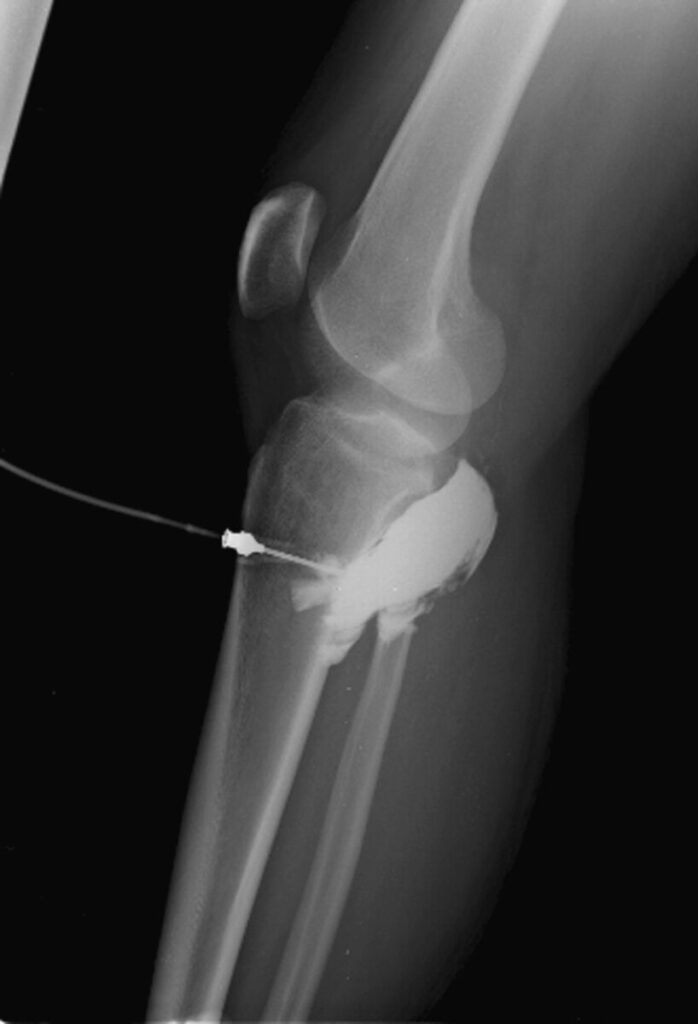
Editor’s Note: As many of you know, nurse and nutritionist Kate Shemirani joins me each Saturday on The Sons of Liberty radio at 8am EST. She has been pointing out ever since her daughter died due to an intraosseous gun being used to administer an overdose of adrenalin by the paramedics.
And this, my friend, is why you are seeing more of these needles in people’s bones! Pathologists and undertakers seeing this constantly like never before are telling me this, and the World Health Organisation has adopted this worldwide.
The outcome is far worse when done via this route,
The PARAMEDIC-3 trial (Warwick) isn’t just clinical, it’s a cost-analysis study [1]. Crews drill an intraosseous gun into bone, pushing 1 mg adrenaline every 3–5 mins [2].
Outcomes? Survival gains are tiny. PARAMEDIC-2 showed more people alive at admission, but with severe brain damage [3].
The economics? Adrenaline had a very poor cost-effectiveness ratio, unless the model factored in organ donation from non-survivors [4][5].
Even lead investigator Gavin Perkins’ own publications admit: the “cost-effectiveness” comes when more organs are harvested [5].
Meanwhile, some countries don’t use adrenaline and have better neurological outcomes [6].
Ask yourself: is this medicine, or a supply chain for organs?
References
[1] PARAMEDIC-3 Health Economic Analysis Plan. Warwick University. 2023. Link
[2] PARAMEDIC-3 protocol description. Trials. 2023. PMID: 37977856. Link
[3] Perkins GD et al. PARAMEDIC-2 RCT. NEJM. 2018;379:711-721. Link
[4] Soar J, Olasveengen TM, et al. Cost-effectiveness analysis of adrenaline in OHCA. Crit Care. 2023;27:169. Link
[5] Longworth L, et al. Economic evaluation of PARAMEDIC-2. Crit Care. 2020;24:701. Link
[6] Berdowski J, et al. Survival rates in OHCA without routine adrenaline. Resuscitation. 2010;81(11):1479-87. [Comparative review of international practice]
Article posted with permission from Kate Shemirani


